Back pain is a common complaint among office workers and remote employees who spend long hours sitting at their desks. This discomfort can significantly impact productivity and overall well-being. Understanding how to prevent back pain through ergonomic solutions and lifestyle adjustments is crucial for maintaining a healthy work environment.
What Are Quick Tips to Relieve Back Pain at Your Desk?
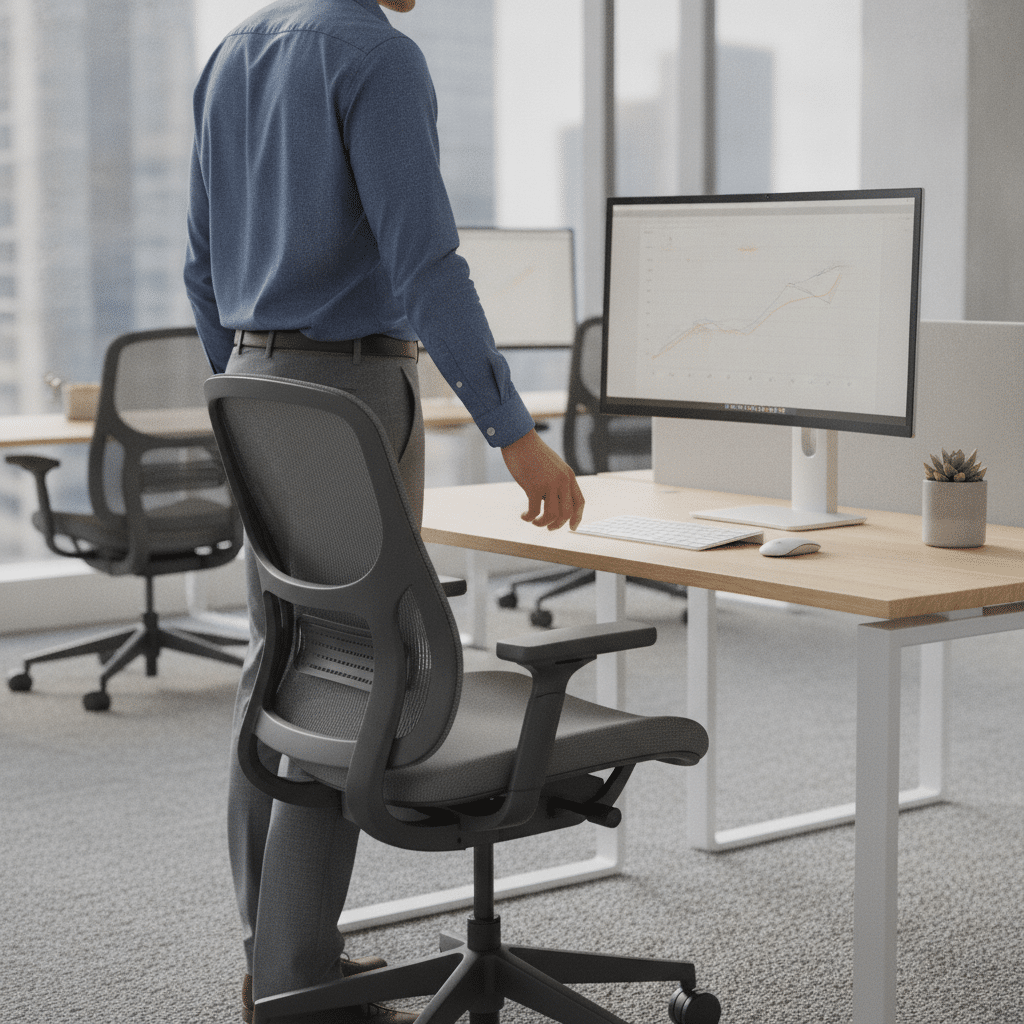
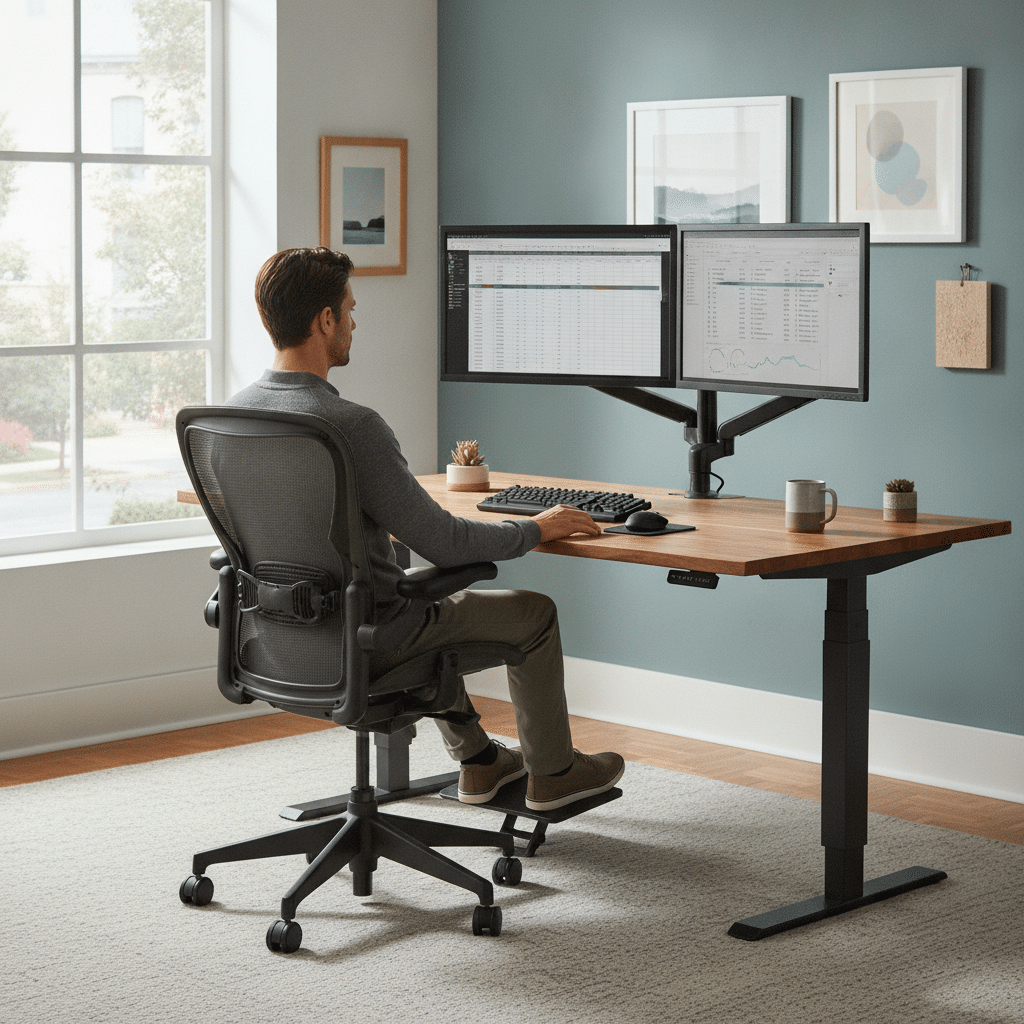
To alleviate back pain instantly, ensure your chair supports your lower back properly. Adjust the chair height so your feet are flat on the floor, and your knees are at a 90-degree angle. Take short breaks every hour to stand, stretch, or walk around, promoting blood circulation and reducing stiffness.
Essential Ergonomic Adjustments for Your Desk
- Adjust your chair to support your lower back.
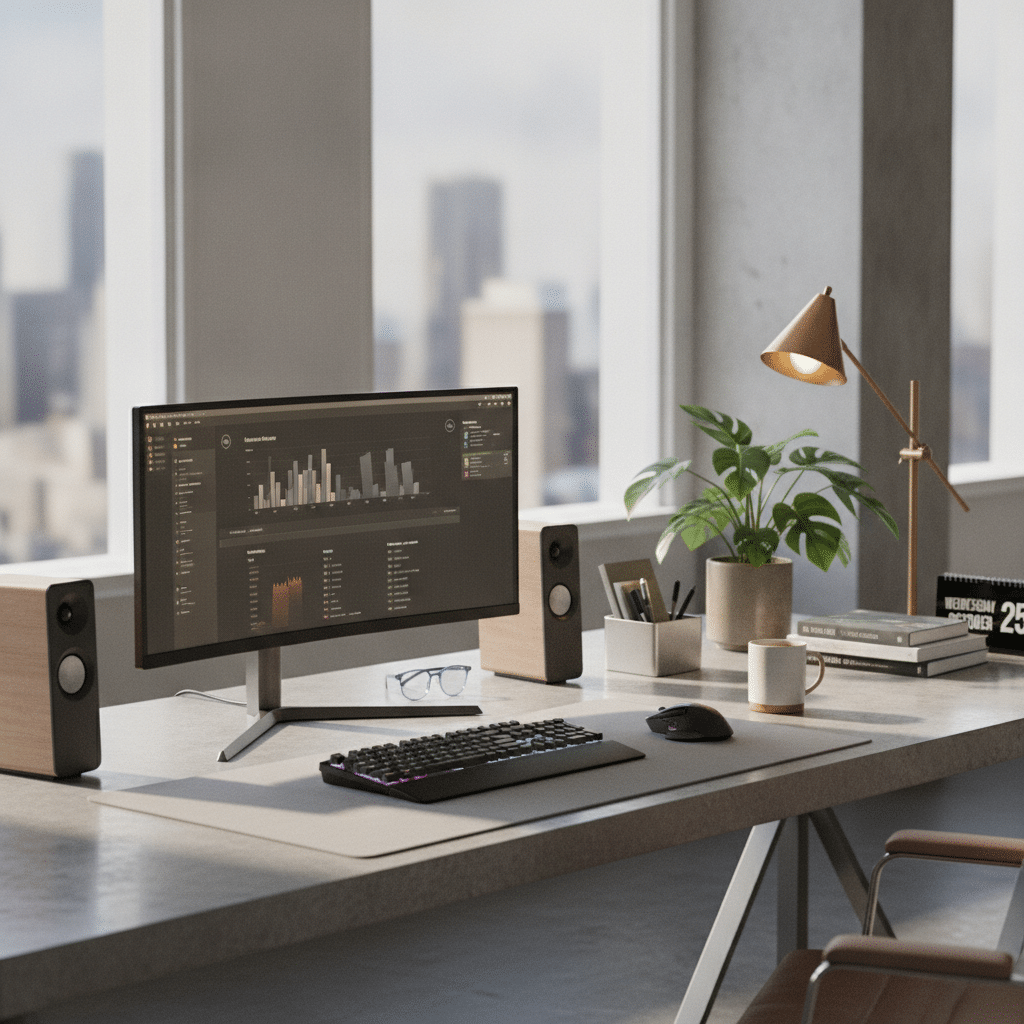
- Position your monitor at eye level.
- Keep your keyboard and mouse within easy reach.
- Use a footrest if your feet don’t touch the floor.
- Ensure your desk has enough space for comfortable movement.
- Maintain a neutral wrist position when typing.
- Opt for a chair with adjustable armrests.
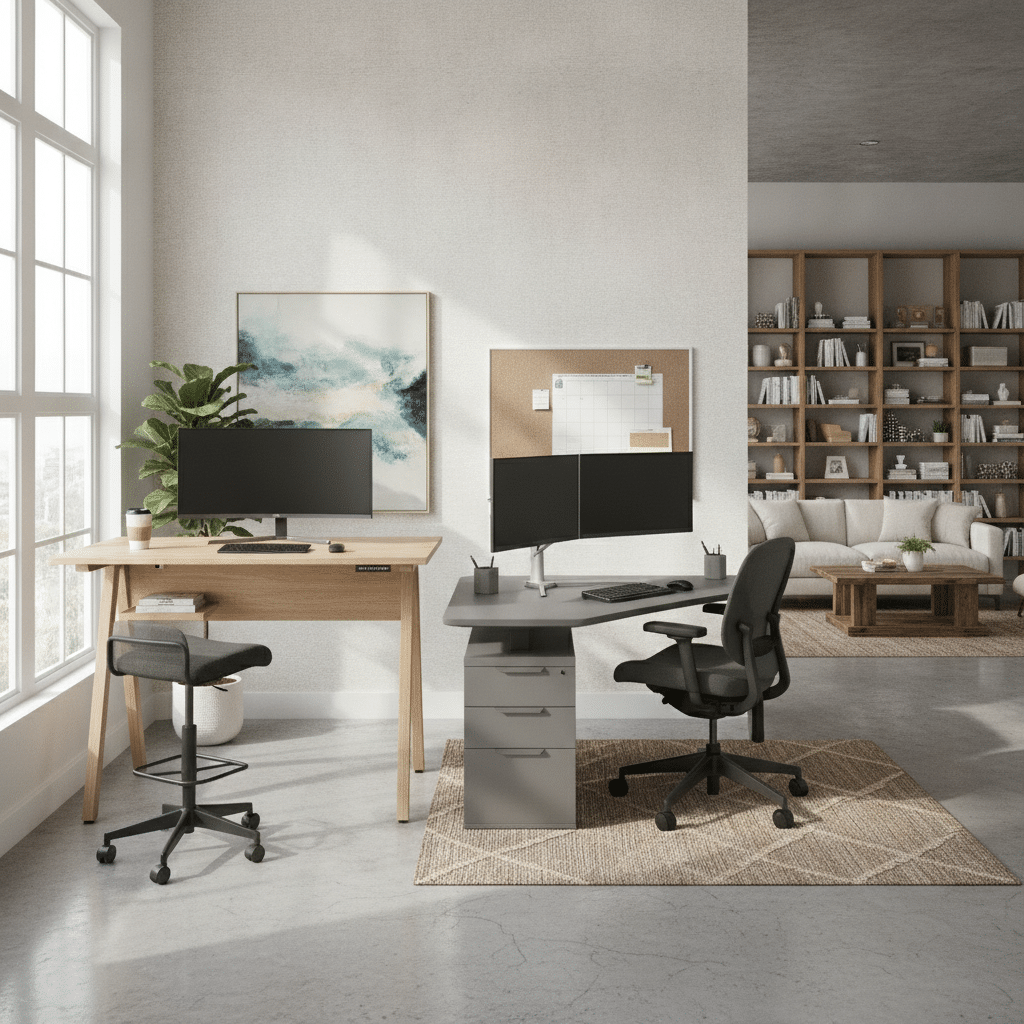
- Consider a standing desk or converter.
Understanding the Impact of Poor Ergonomics
Poor ergonomics can lead to chronic back pain, affecting both physical health and work performance. When the body is not properly aligned, it puts strain on muscles and joints, leading to discomfort and potential long-term issues. This is particularly concerning for desk workers who spend extended periods sitting in one position, making the choice of ergonomic office seating essential.
Recognizing the signs of poor ergonomics is the first step towards prevention. Symptoms may include persistent back pain, neck stiffness, and wrist discomfort. By addressing these issues early, you can prevent further complications and improve overall comfort and productivity in your workspace. To enhance your setup, Learn more about useful office accessories like footrests.


Viking Malaga Executive Chair Basic Tilt Bonded leather Fixed Armrest Height-Adjustable Seat Black 120 kg

Viking Realspace Mosil Office Chair Basic Tilt Mesh Fixed Armrest Height-Adjustable Seat Black 120 kg

Viking Realspace Vienna Office Chair Basic Tilt Mesh Height-Adjustable Armrest Height-Adjustable Seat Black 110 kg 675 x 670 x 1,035 mm

Viking Realspace Karl Operator Chair Synchro Tilt Mesh Height-Adjustable Armrest Height-Adjustable Seat Black 120 kg 640 x 695 mm

Viking Realspace Draughtsman Chair Permanent Contact Fabric Height-Adjustable Seat Black 120 kg 430 x 480 x 1,200 mm
Implementing Ergonomic Solutions
To prevent back pain, it’s essential to implement ergonomic solutions tailored to your workspace. Start by adjusting your chair to ensure it supports the natural curve of your spine. The seat height should allow your feet to rest flat on the floor, and your knees should be at hip level. Armrests should be adjusted so your arms are parallel to the ground.
Position your monitor at eye level, about an arm’s length away, to reduce neck strain. Keep your keyboard and mouse within easy reach to maintain a relaxed posture. If your desk is too high, consider using a footrest to support your legs. These adjustments can make a significant difference in preventing back pain.
Comparison Table of Ergonomic Products
| Product | Features | Price Range |
|---|---|---|
| Ergonomic Office Chair | Adjustable lumbar support, height, and armrests | $$$ |
| Footrest | Height adjustable, non-slip surface | $$ |
| Standing Desk Converter | Height adjustable, spacious work surface | $$$ |
| Keyboard Tray | Ergonomic angle, retractable | $$ |
Incorporating Lifestyle Changes
In addition to ergonomic adjustments, incorporating lifestyle changes can further prevent back pain. Regular physical activity strengthens muscles and improves flexibility, reducing the risk of injury. Simple exercises, such as stretching or yoga, can be done during breaks to relieve tension and promote circulation.
Mindfulness practices, such as deep breathing and meditation, can help manage stress, which often exacerbates physical discomfort. Moreover, staying hydrated and maintaining a balanced diet contribute to overall health, supporting your body’s ability to cope with the demands of desk work.
Final Thoughts on Preventing Back Pain
Preventing back pain at your desk involves a combination of ergonomic adjustments and lifestyle changes. By creating a workspace that supports your body and incorporating healthy habits, you can reduce discomfort and enhance your productivity.
Start by making small changes today, such as adjusting your chair or taking regular breaks, and gradually incorporate more comprehensive solutions. Your back will thank you!
Frequently Asked Questions
How often should I take breaks to prevent back pain?
It’s recommended to take a short break every 30 to 60 minutes. During these breaks, stand up, stretch, or walk around to promote circulation and reduce muscle tension. This practice helps prevent stiffness and keeps you alert throughout the day.
What is the best chair for preventing back pain?
The best chair for preventing back pain is one that offers adjustable lumbar support, seat height, and armrests. Look for chairs that allow you to maintain a neutral spine position, with your feet flat on the floor and knees at a 90-degree angle.
Can a standing desk help with back pain?
Yes, standing desks can be beneficial for reducing back pain. They allow you to alternate between sitting and standing, which helps alleviate pressure on the spine and improves posture. Ensure the desk is adjusted to the correct height for both sitting and standing positions.
Are there specific exercises to prevent back pain?
Certain exercises, such as stretching, yoga, and core strengthening, can help prevent back pain. Focus on exercises that improve flexibility and strengthen the muscles supporting the spine. Regular physical activity is key to maintaining a healthy back.