Emerging Workplace Trends for 2026: A Comprehensive Guide
As we look towards 2026, the workplace landscape is set to undergo significant transformations. Business professionals and HR leaders must stay ahead of these changes to foster a productive and innovative work environment. Understanding the upcoming trends is crucial for adapting strategies that enhance employee satisfaction and organizational success. This blog explores the emerging workplace trends for 2026, focusing on technological advancements, the evolution of remote work, and the increasing emphasis on employee well-being.
What Are the Key Workplace Trends for 2026?
As we approach 2026, understanding and adapting to emerging workplace trends will be crucial for business success. By embracing technological advancements, flexible work models, and prioritizing employee well-being, organizations can create a dynamic and resilient workforce.
Top Workplace Trends to Watch in 2026
- AI and automation will streamline operations.
- Hybrid work models will dominate.
- Mental health support will be prioritized.
- Sustainable practices will become standard.
- Personalized employee experiences will increase engagement.
The Role of AI and Automation in the Workplace
By 2026, AI and automation will have a profound impact on the workplace, revolutionizing how tasks are performed. These technologies will not only enhance operational efficiency but also allow employees to focus on more strategic, creative tasks. Companies adopting AI solutions will benefit from streamlined processes and reduced operational costs.
AI-driven analytics will provide deeper insights into business operations, enabling data-driven decision-making. As AI becomes more integrated, it will be crucial for professionals to develop skills that complement these technologies, ensuring they remain relevant in an evolving job market.
Hybrid Work Models: The New Standard
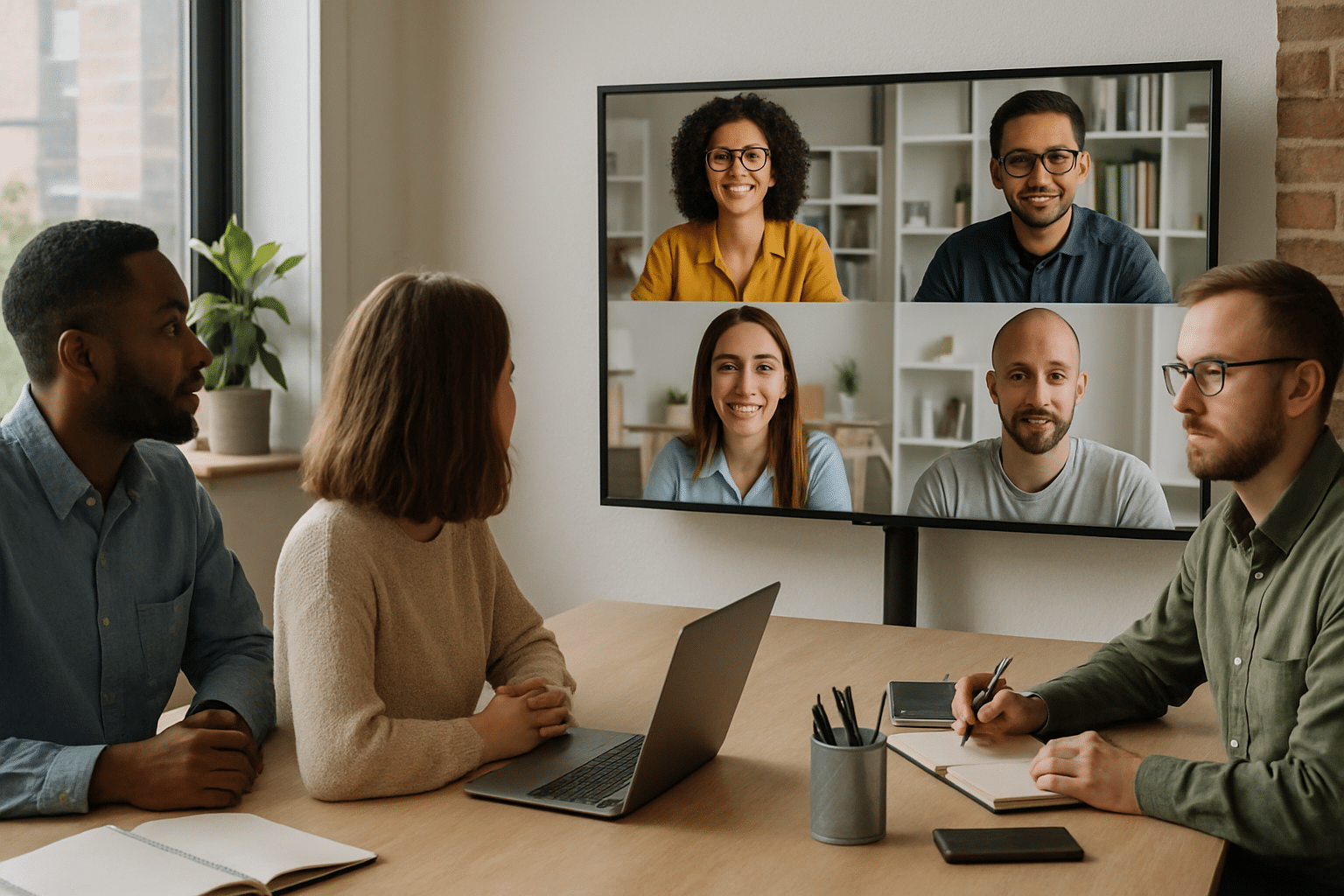
The hybrid work model, combining remote and in-office work, will become the norm by 2026. This flexible approach offers employees the best of both worlds, fostering a work-life balance that enhances productivity and job satisfaction. Organizations will need to invest in digital infrastructure to support seamless collaboration across remote and physical spaces.
As hybrid models gain popularity, companies must address challenges such as maintaining company culture and ensuring equitable access to resources. Effective communication strategies and inclusive policies will be essential to navigate these complexities and create a cohesive work environment.
Prioritizing Employee Well-being and Mental Health
Employee well-being will take center stage in 2026, with a focus on mental health support. Companies are recognizing the link between employee well-being and productivity, leading to the implementation of comprehensive wellness programs. These initiatives will include mental health days, access to counseling services, and stress management workshops.
Creating a supportive environment that prioritizes mental health will not only improve employee satisfaction but also reduce turnover rates. Organizations must foster an open dialogue about mental health to destigmatize these issues and promote a culture of care and understanding.
Comparison Table of Workplace Trends for 2026
| Trend | Description | Impact |
|---|---|---|
| AI and Automation | Integration of AI in daily tasks | Increased efficiency |
| Hybrid Work Models | Combination of remote and in-office work | Flexibility and productivity |
| Mental Health Focus | Enhanced support for employee well-being | Improved job satisfaction |
| Sustainability | Eco-friendly workplace practices | Reduced environmental impact |
| Personalization | Customized employee experiences | Higher engagement |
Conclusion: Preparing for the Future Workplace
As we approach 2026, understanding and adapting to emerging workplace trends will be crucial for business success. By embracing technological advancements, flexible work models, and prioritizing employee well-being, organizations can create a dynamic and resilient workforce.
HR leaders and business professionals should stay informed and proactive in implementing these trends to ensure their organizations thrive in the evolving landscape.
Frequently Asked Questions
How will AI impact job roles in the future?
AI is expected to automate routine tasks, allowing employees to focus on strategic and creative aspects of their roles. While some job roles may evolve, new opportunities will arise that require skills complementing AI technologies. Continuous learning and skill development will be essential to adapt to these changes.
What are the benefits of hybrid work models?
Hybrid work models offer flexibility, allowing employees to balance remote and in-office work. This approach can lead to increased job satisfaction, improved productivity, and a better work-life balance. Organizations benefit from a wider talent pool and reduced overhead costs associated with office spaces.
Why is employee well-being important?
Employee well-being directly influences productivity, engagement, and retention. Prioritizing mental health and overall well-being can lead to a more motivated and loyal workforce, reducing turnover and enhancing company culture. A supportive work environment fosters innovation and resilience.
How can companies implement sustainable practices?
Companies can adopt sustainable practices by reducing waste, optimizing energy use, and sourcing eco-friendly materials. Implementing remote work can also lower carbon footprints. Educating employees about sustainability and involving them in green initiatives can further support these efforts.