In today’s modern work environment, both office workers and remote employees spend a significant amount of time seated at their desks. This prolonged sitting can lead to discomfort and even long-term health issues if not addressed properly. Ergonomics, the study of people’s efficiency in their working environment, plays a crucial role in ensuring comfort and productivity. Adjusting your office chair correctly is a fundamental step towards achieving an ergonomic setup. In this guide, we will explore practical steps to adjust your office chair for maximum comfort and health benefits.
Quick Tips for Adjusting Your Office Chair
Proper chair adjustment is essential for maintaining good posture and reducing strain. Here are some quick tips to get started:
Key Steps to Adjust Your Office Chair
- Set the seat height so feet are flat on the floor.
- Adjust the seat depth to leave a small gap behind the knees.
- Align the backrest to support the spine’s natural curve.
- Position armrests at a comfortable elbow height.
- Ensure the chair swivels and rolls smoothly.
- Use a footrest if your feet don’t reach the floor.
- Regularly check and readjust settings as needed.
Adjusting the Seat Height and Depth
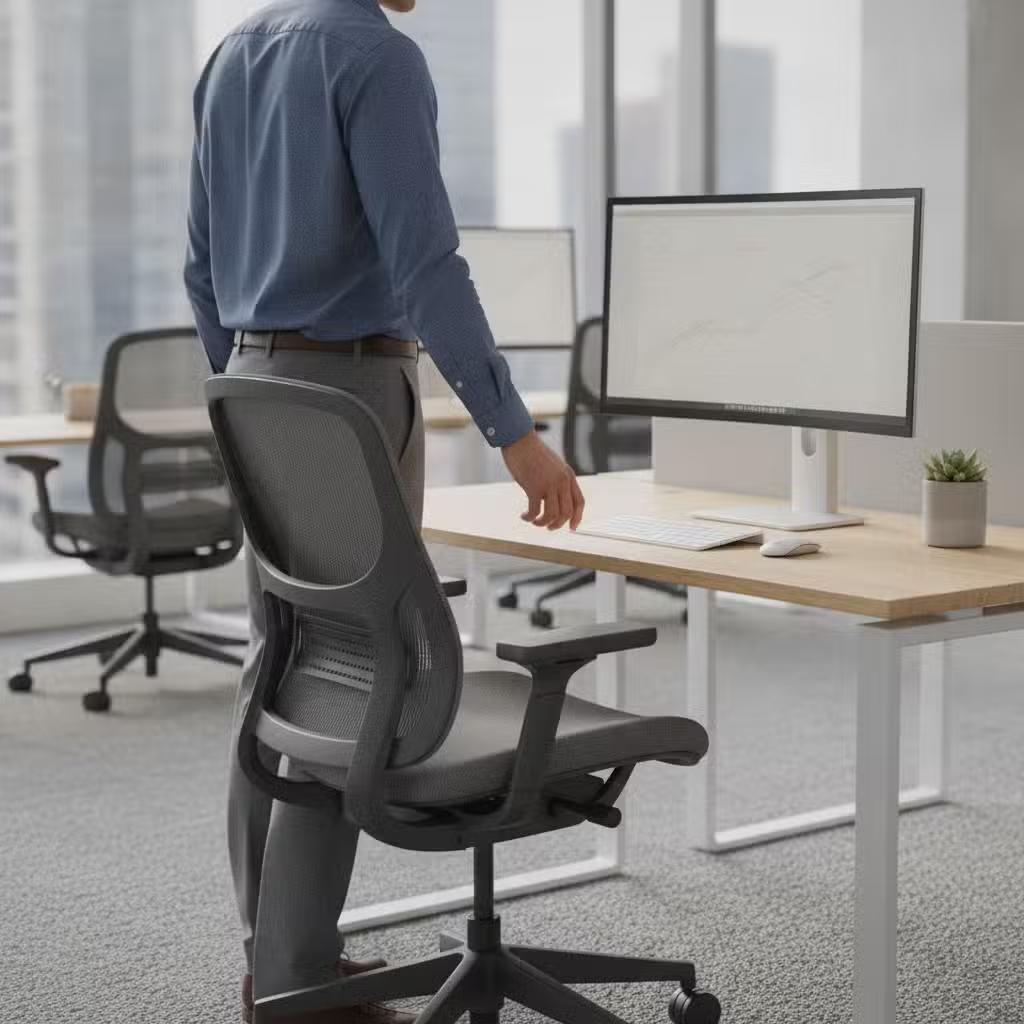
The first step in adjusting your office chair is setting the seat height. Stand in front of your chair and adjust the height so that the seat is just below your kneecaps. When seated, your feet should rest flat on the floor, and your knees should be at a 90-degree angle. This position helps reduce pressure on your thighs and promotes better blood circulation. For more details on this process, you can refer to the guide on Adjusting Office Chair Height.
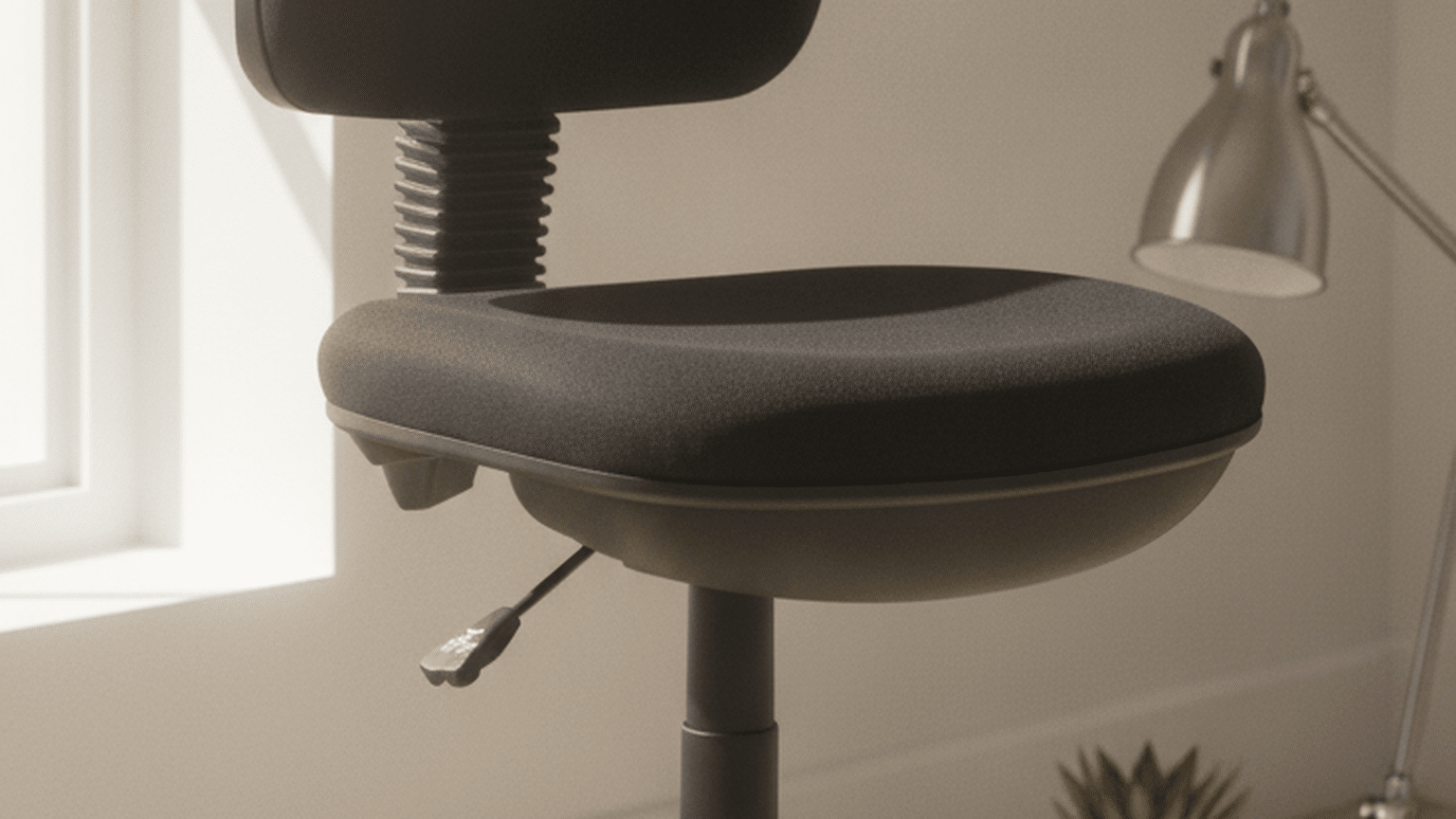
Next, focus on the seat depth. Sit back in your chair and ensure there is a 2-3 inch gap between the edge of the seat and the back of your knees. This gap prevents compression of the blood vessels and nerves in your legs, reducing the risk of numbness and discomfort. Most chairs have a lever or a knob to adjust the seat depth, allowing you to slide the seat forward or backward.


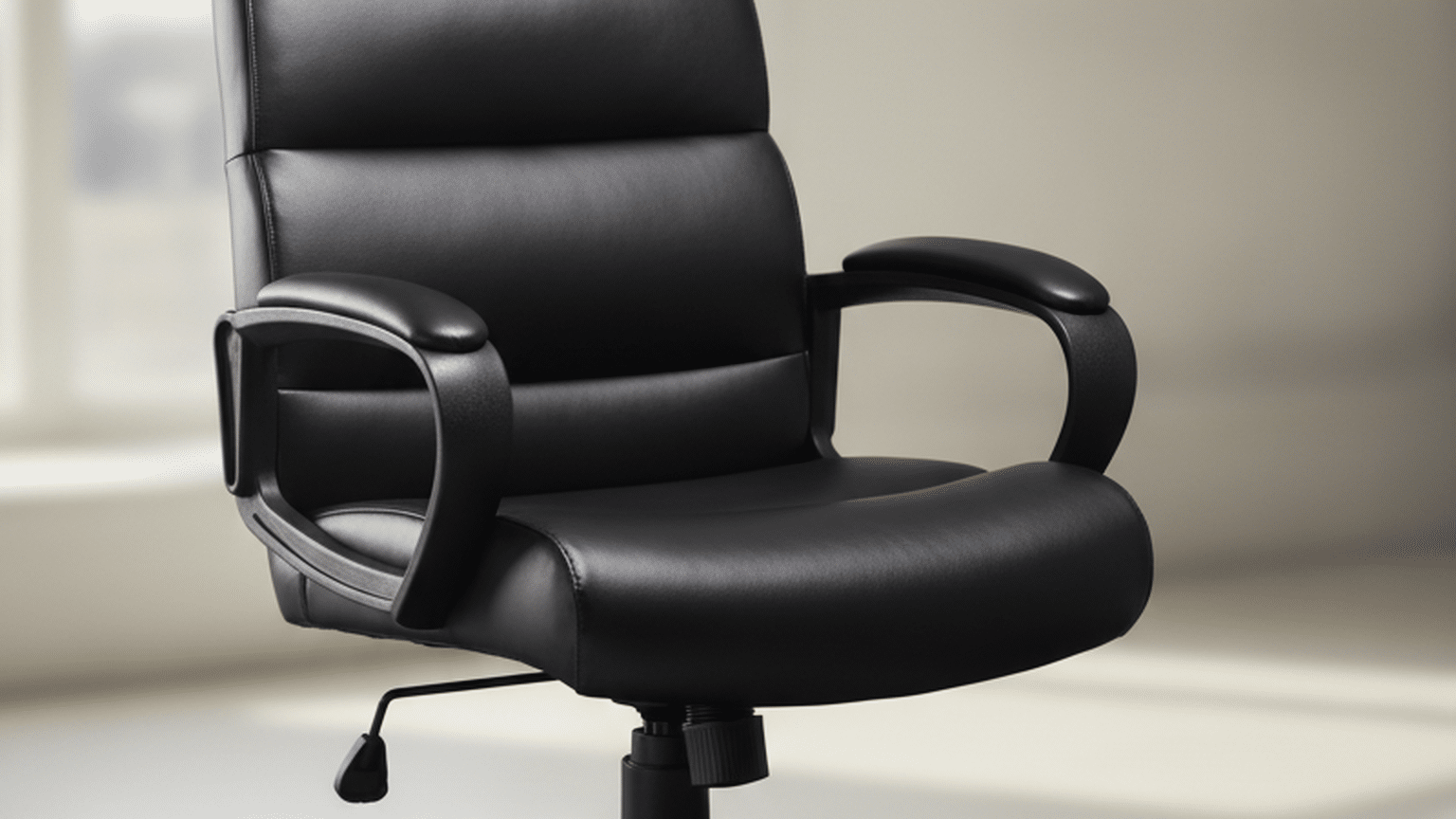
Viking Realspace Rotterdam Executive Chair Basic Tilt Bonded leather Fixed Armrest Height-Adjustable Seat Black 120 kg

Viking Malaga Executive Chair Basic Tilt Bonded leather Fixed Armrest Height-Adjustable Seat Black 120 kg

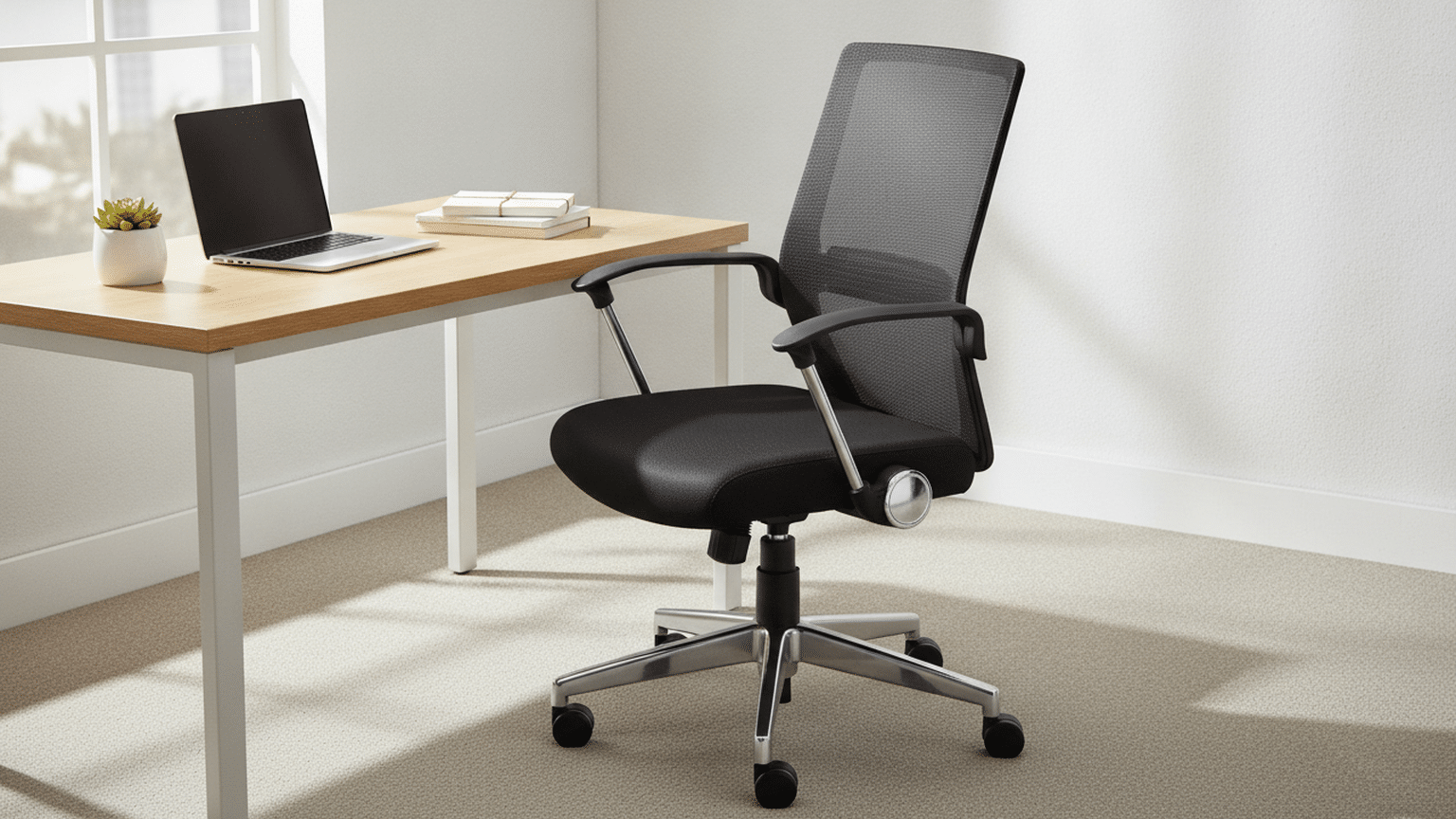
Viking Realspace Mosil Office Chair Basic Tilt Mesh Fixed Armrest Height-Adjustable Seat Black 120 kg

Viking Realspace Austin Office Chair Basic Tilt Mesh, Fabric Fixed Armrest Height-Adjustable Seat Black 110 kg

Viking Realspace Vienna Office Chair Basic Tilt Mesh Height-Adjustable Armrest Height-Adjustable Seat Black 110 kg 675 x 670 x 1,035 mm
Optimizing Backrest and Lumbar Support
Proper backrest adjustment is crucial for supporting your spine’s natural curve. Sit back and adjust the backrest so that it follows the natural curvature of your spine, providing support to your lower back. Some chairs come with a built-in lumbar support feature, which can be adjusted to fit snugly against your lower back.
In addition to lumbar support, consider the backrest angle. A slight recline of 100-110 degrees is generally recommended to reduce pressure on the spine and promote a more relaxed posture. Ensure the backrest is locked in place to maintain consistent support throughout your workday. This setup helps prevent slouching and reduces the risk of back pain.
Comparison Table of Chair Adjustments
| Adjustment | Ideal Position | Benefits |
|---|---|---|
| Seat Height | Knees at 90° | Reduces leg strain |
| Seat Depth | 2-3 inches gap behind knees | Improves circulation |
| Backrest Angle | Slightly reclined | Supports lower back |
| Armrest Height | Elbows at 90° | Prevents shoulder tension |
| Foot Position | Flat on floor | Stabilizes posture |
Setting Up Armrests and Foot Support
Armrests play a vital role in reducing strain on your shoulders and neck. Adjust the armrests so that your elbows are at a 90-degree angle when your arms are resting on them. This position helps prevent shoulder hunching and distributes the weight of your arms evenly, minimizing tension in the upper body.
If your feet do not comfortably reach the floor, consider using a footrest. A footrest ensures that your feet remain flat, promoting a stable and ergonomic posture. It also helps reduce pressure on your thighs and supports proper circulation. Regularly check your armrest and footrest settings to ensure they remain comfortable and supportive.
Conclusion: Achieving Ergonomic Comfort
Adjusting your office chair properly is a simple yet effective way to enhance your comfort and productivity at work. By focusing on seat height, depth, backrest support, and armrest positioning, you can create an ergonomic workspace that minimizes strain and promotes overall well-being.
Remember to periodically reassess your chair adjustments as your posture and needs may change over time. Investing a few minutes to fine-tune your chair can lead to significant improvements in your work experience. Explore our range of office seating options to find the perfect chair for your needs.
Frequently Asked Questions
Why is chair height important?
Chair height is crucial because it affects your posture and comfort. When your chair is at the correct height, your feet can rest flat on the floor, and your knees are at a 90-degree angle. This position helps reduce strain on your legs and lower back, promoting better circulation and reducing fatigue during long hours of sitting.
How often should I readjust my office chair?
It’s recommended to reassess and readjust your office chair settings every few months or whenever you notice discomfort. Changes in your posture, work habits, or even the wear and tear of the chair can affect its settings. Regular adjustments ensure that your chair continues to provide optimal ergonomic support.
What should I do if my chair doesn’t have adjustable features?
If your chair lacks adjustable features, consider adding ergonomic accessories like a seat cushion, lumbar support pillow, or an external footrest. These additions can help customize your seating position to better fit your ergonomic needs. Alternatively, you might explore investing in a new chair with comprehensive adjustment options for enhanced comfort.
Can a footrest improve my posture?
Yes, a footrest can significantly improve your posture by ensuring that your feet remain flat and supported. This helps stabilize your lower body, which in turn supports a more upright and ergonomic sitting position. A footrest is particularly beneficial if your chair is too high and your feet cannot reach the floor comfortably.