


Mastering the Art of Reading a Tape Measure for DIY Projects
Accurately reading a tape measure is an essential skill for any DIY enthusiast or beginner taking on home improvement projects in Ireland. Whether you’re building furniture, fitting kitchen units, installing shelves, or checking if a new appliance will fit, knowing how to read a tape measure properly ensures accuracy and helps prevent costly mistakes. In Ireland, metric measurements (millimetres and centimetres) are the standard in construction and DIY, although many tape measures also include inches. Understanding both systems will give you full flexibility on any project.
How Do You Quickly Read a Tape Measure?
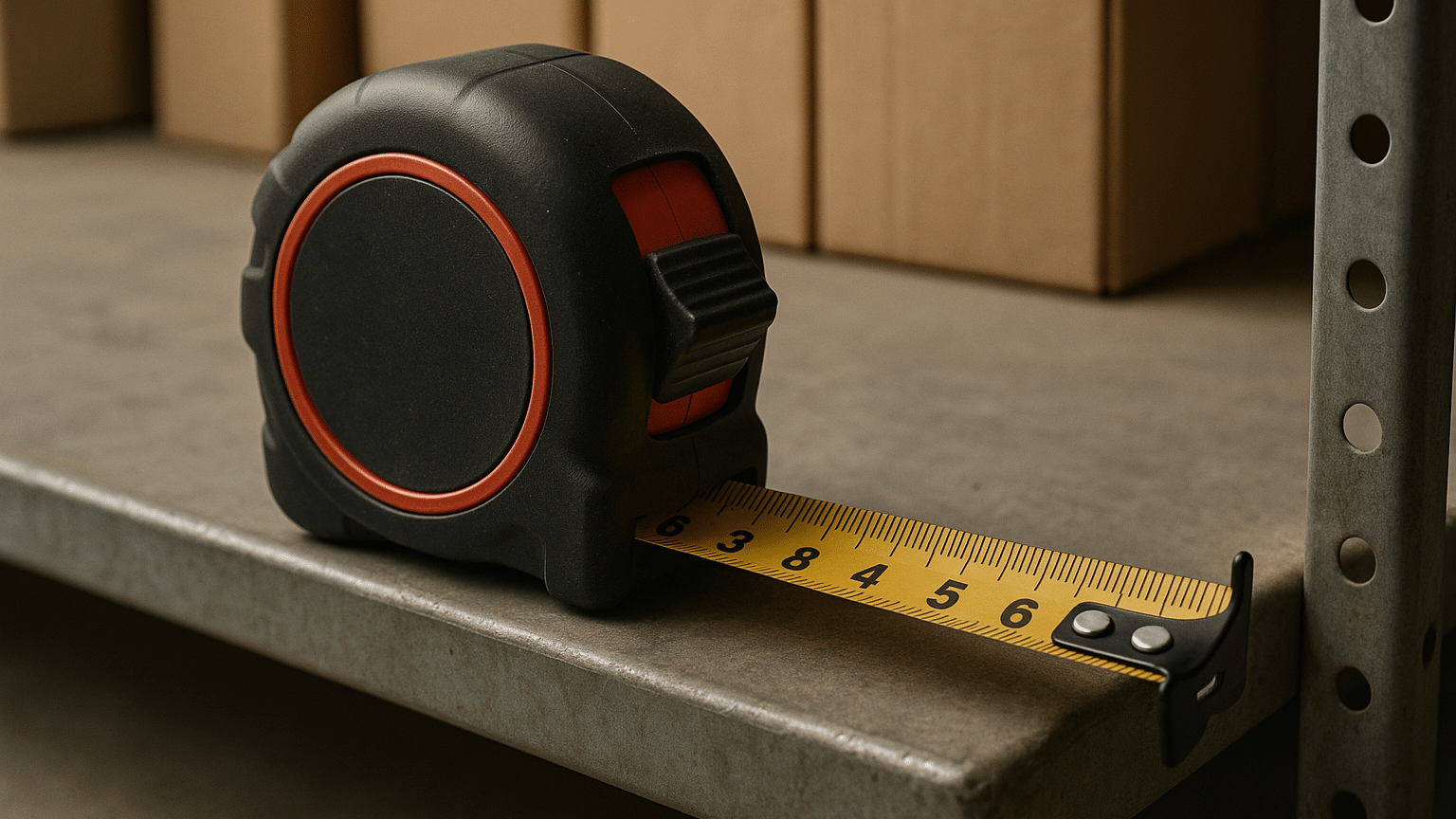
In Ireland, tape measures are typically read in millimetres (mm) and centimetres (cm). The numbered markings represent centimetres, and the smaller lines between them indicate millimetres. Each centimetre equals 10 millimetres. Many tape measures also include inches on the opposite edge, divided into fractions such as 1/2, 1/4, 1/8 and sometimes 1/16. For reference, 1 inch equals 2.54 cm (25.4 mm).
Essential Steps to Read a Tape Measure
- Extend the tape measure to the required length.
- Confirm whether you are using metric (mm/cm) or imperial (inches).
- Identify the nearest full centimetre mark (or full inch mark).
- For metric: count the millimetre lines beyond the last full centimetre for a precise reading.
- For imperial: locate the fraction mark closest to your measurement.
- Write down the measurement clearly, preferably in millimetres for accuracy.
- Retract the tape measure carefully to avoid damaging the blade.
Understanding Tape Measure Markings
Most tape measures sold in Ireland feature metric markings as the primary scale. The longest numbered lines represent centimetres, while the smaller divisions between them indicate millimetres. Because millimetres avoid fractions and rounding, they are widely used in Irish construction and DIY work.
Many tape measures also include imperial measurements. On the inch scale, the longest lines represent full inches. Shorter lines show fractions such as 1/2, 1/4, 1/8 and sometimes 1/16 of an inch. This can be useful when working with older plans, imported products, or certain fittings. For conversions: 1 inch = 2.54 cm, and 1 foot (12 inches) = 30.48 cm. Familiarity with these lines is crucial for accurate readings, making Understanding Tape Measure Readings essential.
Some tape measures also highlight metre or half-metre points for easier reference on longer measurements. Always ensure you are reading from the correct scale to avoid mistakes.
Practical Tips for Accurate Measurements
Keep the tape straight and flat against the surface to ensure an accurate reading. Use the metal hook at the end to secure it firmly against the edge of the object. The hook is designed to move slightly to compensate for its thickness, allowing accurate inside and outside measurements.
For longer distances, ask someone to hold the far end of the tape to prevent sagging. If working alone, secure the end temporarily with tape or hook it onto a corner or screw. Always measure twice before cutting materials. Recording measurements in millimetres instead of centimetres can improve precision and reduce the risk of rounding errors.
Common Measurements and Fractions
| Measurement | Equivalent |
|---|---|
| 10 mm | 1 cm |
| 25.4 mm | 1 inch |
| 304.8 mm | 1 foot (12 inches) |
| 1/2 inch | 12.7 mm |
| 1/4 inch | 6.35 mm |
| 1/8 inch | 3.175 mm |
| 3/4 inch | 19.05 mm |
| 7/8 inch | 22.225 mm |
Avoiding Common Measurement Mistakes
A common mistake is reading the wrong scale on a dual-marked tape measure. Double-check whether you are using metric or imperial before recording your measurement. Another error is rounding measurements too early, which can affect fitting and alignment.
Misreading imperial fractions is also frequent. Take a moment to confirm whether you are looking at 1/2, 1/4, 1/8 or 1/16 markings. Saying the measurement aloud before writing it down can help avoid confusion.
Additionally, ensure your tape measure is in good condition. A bent hook, kinked blade, or faded markings can reduce accuracy. Replace worn or damaged tape measures to maintain reliable results.
Wrapping Up: Key Takeaways
Reading a tape measure accurately is an important DIY skill in Ireland. By understanding metric measurements, recognising imperial fractions, and following practical measuring tips, you can achieve precise results on any project.
Metric measurements in millimetres are generally the easiest and most accurate choice. However, knowing how to read inches and convert between systems ensures you can confidently handle any plan or product specification.
Frequently Asked Questions
What do the numbers on a tape measure mean?
On most tape measures in Ireland, the numbers represent centimetres on the metric scale. Smaller lines between them show millimetres. Many tape measures also include inches, where numbers indicate full inches and smaller lines show fractions such as 1/2, 1/4 or 1/8.
How do I measure accurately with a tape measure?
Keep the tape straight, secure the hook properly, and confirm you are reading from the correct scale. Recording measurements in millimetres improves accuracy. Always double-check before cutting or fitting materials.
Why is my tape measure not accurate?
Inaccuracy can be caused by wear and tear, such as a bent hook, damaged blade, or faded markings. Ensure your tape measure is in good condition and replace it if necessary. Also confirm you are using the correct measurement scale.
Can I use a tape measure for metric measurements?
Yes, most tape measures sold in Ireland include metric markings (centimetres and millimetres), often alongside imperial inches. Metric is the standard system used in Irish construction and DIY.