
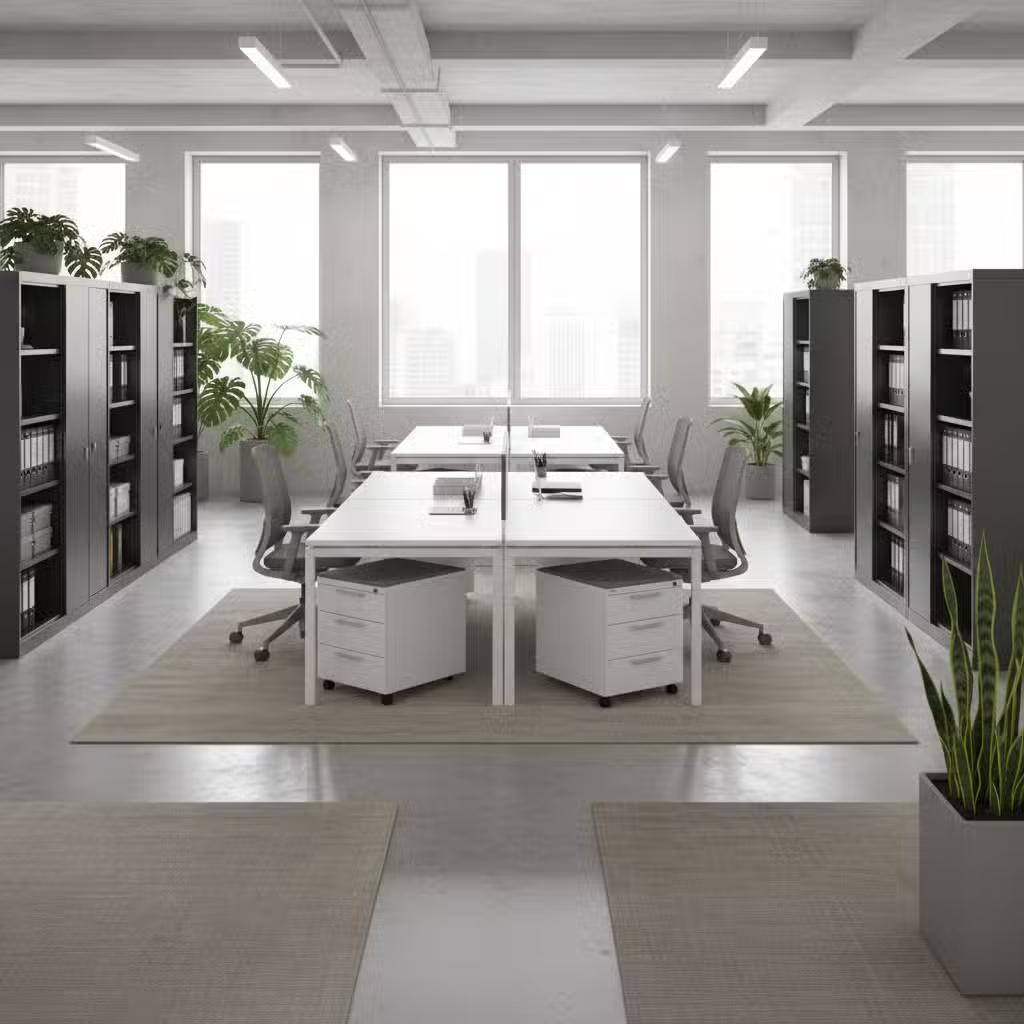
In the quest for an organized office, choosing the right storage solution is crucial. Office managers and business owners often find themselves debating between pedestals and filing cabinets. Each option offers unique benefits and drawbacks, making the choice dependent on specific office needs. This guide will help you understand the differences and make an informed decision for your workspace.
Which is Better for Your Office Needs: Pedestals or Filing Cabinets?
When deciding between Pedestals or Filing Cabinets?, consider your office’s functional requirements, space constraints, and aesthetic preferences. Pedestals are compact and versatile, often fitting under desks, while filing cabinets provide ample storage for large volumes of documents. Both have their place in modern offices, but the best choice depends on your specific needs.
Key Differences Between Pedestals and Filing Cabinets
- Size and space utilization
- Storage capacity
- Mobility and flexibility
- Design and aesthetic appeal
- Cost implications
- Ease of access and organization
- Durability and material
Functional Differences
Pedestals are designed to be compact and fit under desks, making them ideal for offices where space is at a premium. They provide a convenient storage solution for personal items and frequently used documents. On the other hand, filing cabinets are larger and offer more storage capacity, suitable for offices that handle a large volume of paperwork.
Filing cabinets typically have multiple drawers that can accommodate both letter and legal-sized documents, making them a staple in traditional office environments. Pedestals, however, often include a combination of small and medium drawers, allowing for diverse storage options. This makes pedestals more versatile for various storage needs beyond just documents.


Pierre Henry Maxi Steel Filing Cabinet with 2 Lockable Drawers 400 x 400 x 660 mm Silver, White

Viking Realspace Knockdown Steel Filing Cabinet 4 Drawers Lockable 460 x 400 x 1,255 mm Black

Viking Realspace Regular Door Cupboard Steel 4 Shelves Lockable 920 x 420 x 1,950 mm Black

Pierre Henry Maxi Steel Filing Cabinet with 2 Lockable Drawers 400 x 400 x 660 mm Black

Viking Realspace Regular Door Cupboard Steel 4 Shelves Lockable 920 x 420 x 1,950 mm Silver
Space Considerations
Space is a critical factor when choosing between pedestals and filing cabinets. Pedestals, with their compact design, are perfect for tight spaces and can be easily moved around due to their mobility. This flexibility is advantageous in dynamic office environments where space configurations change frequently.
Filing cabinets require a more permanent space allocation. Their larger size means they are best suited to offices with ample room. However, they provide a centralized storage solution, which can be beneficial for maintaining an organized filing system. Consider the layout of your office and the available space when making your choice.
Comparison Table of Pedestals and Filing Cabinets
| Feature | Pedestals | Filing Cabinets |
|---|---|---|
| Size | Compact, fits under desks | Larger, standalone units |
| Capacity | Low to medium | High |
| Mobility | Often mobile | Generally stationary |
| Design | Modern, sleek | Traditional, sturdy |
| Cost | Generally lower | Varies, often higher |
Aesthetic Impacts
The aesthetic appeal of office furniture can significantly influence the overall ambiance of a workspace. Pedestals often feature modern, sleek designs that blend seamlessly into contemporary office settings. Their minimalistic appearance can enhance the aesthetic of open-plan offices, contributing to a clean, uncluttered look.
Filing cabinets, while traditionally more utilitarian in appearance, now come in a variety of styles and finishes. This allows them to complement different office decors, from classic to modern. When selecting storage solutions, consider how each option will fit into the existing design and contribute to the office’s visual harmony.
Conclusion: Making the Right Choice
Ultimately, the decision between pedestals and filing cabinets should be guided by your office’s specific needs. Consider factors such as available space, storage requirements, and design preferences. Pedestals offer flexibility and modern aesthetics, while filing cabinets provide extensive storage and organization capabilities.
Assessing these elements will help you choose the storage solution that best supports your office’s productivity and style. For further guidance on optimizing your office storage, explore additional resources on office storage solutions.
Frequently Asked Questions
What are the main benefits of using pedestals in an office?
Pedestals offer several advantages, including their compact size and mobility. They fit neatly under desks, maximizing space efficiency. Additionally, their modern design can enhance the aesthetic of contemporary office environments. Pedestals are versatile, providing storage for personal items, office supplies, and documents, making them ideal for dynamic workspaces.
Are filing cabinets more secure than pedestals?
Filing cabinets generally offer better security features than pedestals. They are often equipped with lockable drawers, providing a secure storage solution for sensitive documents. While some pedestals also come with locks, filing cabinets’ robust construction and larger size make them a more secure option for storing important files.
Can pedestals support heavy items?
Pedestals are typically designed for lighter storage needs. While they can hold office supplies and smaller items, they may not be suitable for very heavy loads. If your storage requirements include heavy items, it’s advisable to consider filing cabinets, which are built to handle more substantial weight and volume.
How do I decide which storage solution is right for my office?
Consider your office’s specific needs, including available space, storage volume, and aesthetic preferences. Pedestals are ideal for compact spaces and modern designs, while filing cabinets suit larger spaces with high storage demands. Evaluate the functional requirements and design goals of your office to make an informed decision.


