The modern workplace is evolving, with an increasing focus on ergonomics and employee well-being. As more office professionals and remote workers seek to optimize their work environments, the debate over standing desks versus sitting desks has gained momentum. With the potential to improve health and productivity, choosing the right desk is crucial. This blog explores the benefits and drawbacks of both options to help you make an informed decision for your workspace setup.
Standing Desk or Sitting Desk: Which is Right for You?
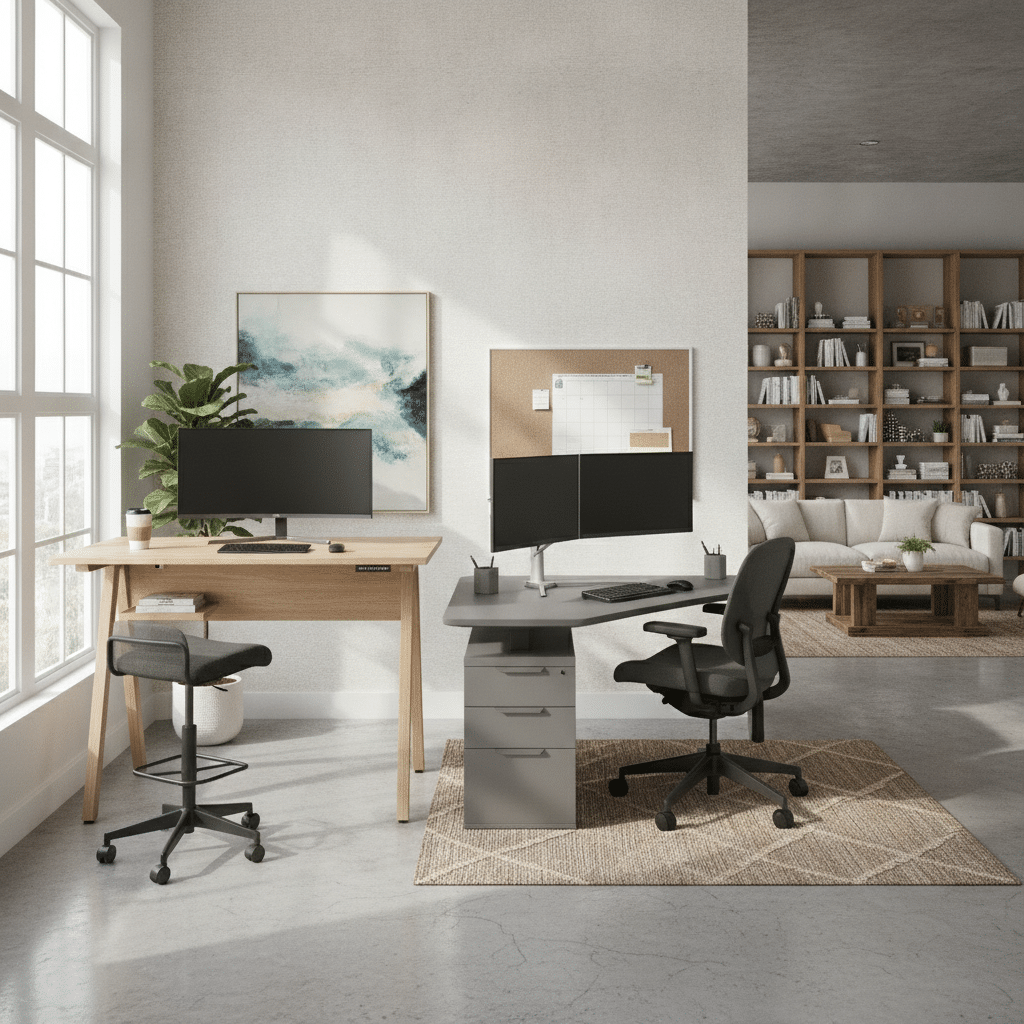
Deciding between a standing desk and a sitting desk can be challenging. Each option offers unique benefits and potential drawbacks. Standing vs. Sitting Desks promote movement and can reduce the risks associated with prolonged sitting, such as back pain and cardiovascular issues.
Primary Benefits and Drawbacks of Standing and Sitting Desks
- Standing desks encourage movement and reduce sitting time.
- Sitting desks provide comfort for focused tasks.
- Standing desks can be more expensive.
- Sitting desks fit better in smaller spaces.
- Standing desks may require an adjustment period.
- Sitting desks offer a familiar setup for most users.
- Standing desks can improve energy levels.
- Sitting desks are typically easier to install.
Health Implications of Desk Choices
Standing desks have gained popularity due to their potential health benefits. By encouraging users to stand more often, these desks can help reduce the risks associated with prolonged sitting, such as obesity, diabetes, and cardiovascular disease. For a deeper understanding of the differences, consider exploring Sitting vs. Standing Desks. Standing also promotes better posture and can alleviate back pain, a common complaint among office workers.
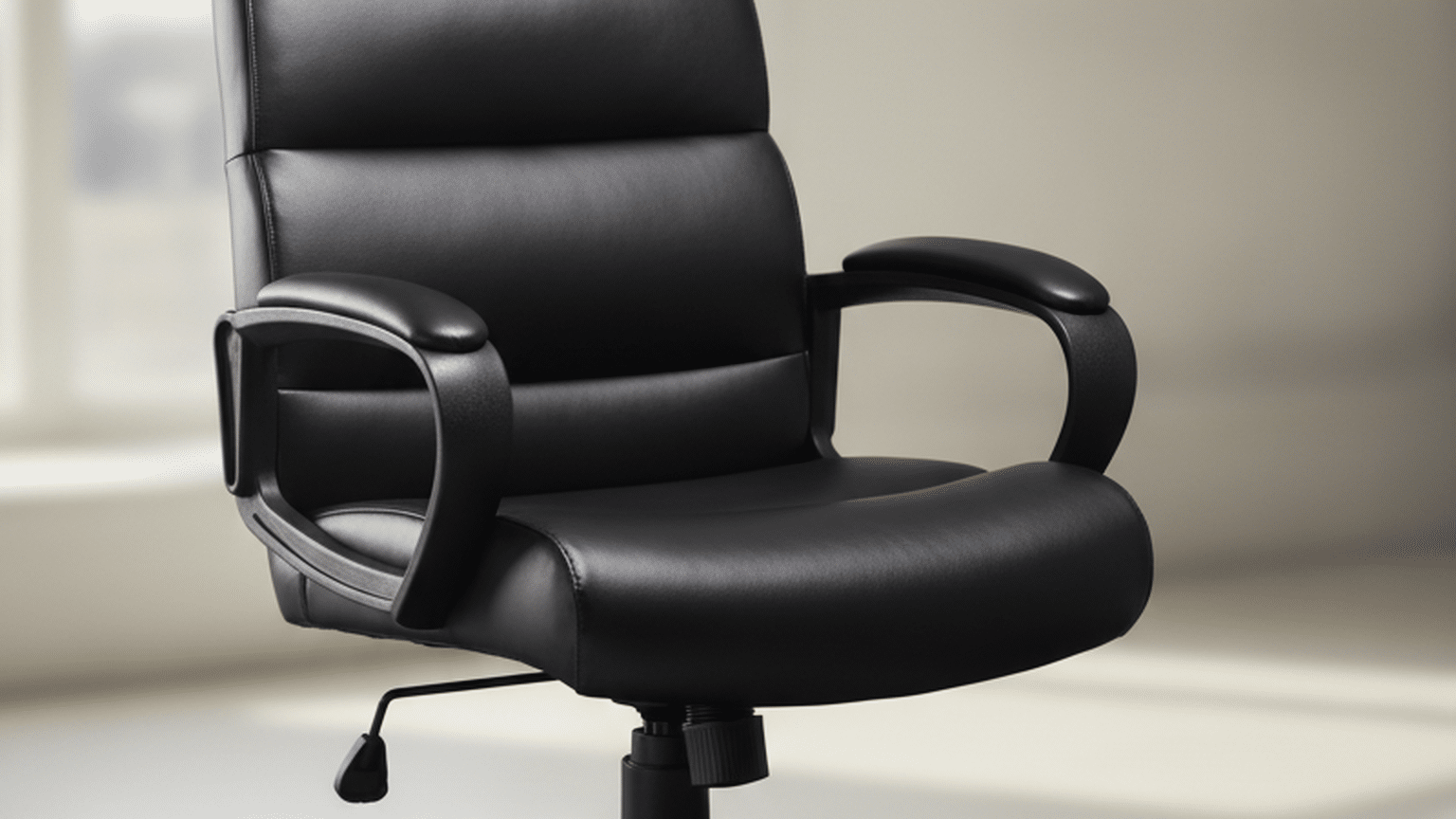
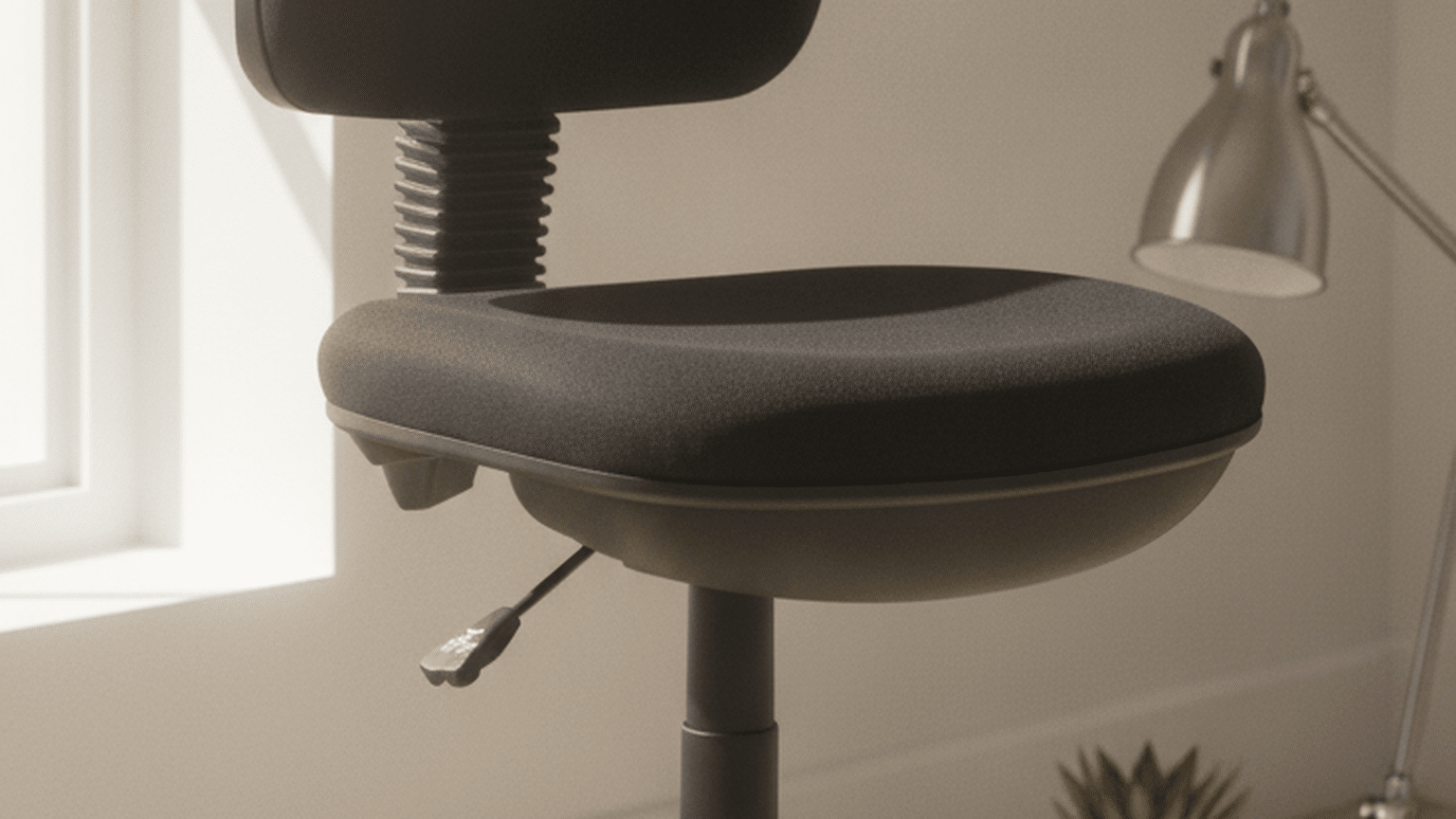
However, standing for too long can lead to its own set of issues, including leg discomfort and fatigue. In contrast, sitting desks offer a comfortable option for those who need to remain seated for extended periods. While sitting is less physically demanding, it is important to incorporate regular breaks and ergonomic chairs to mitigate health risks.


Viking Realspace Electronically Height Adjustable Sit Stand Desk Rectangular White 1,600 (W) x 800 (D) x 1,300 (H) mm Melamine, Steel

Viking Realspace Standard Rectangular Folding Table Beech Steel, Wood Brown 1,800 x 800 x 750 mm

Viking Realspace Sit Stand Desk White 1,400 (W) x 800 (D) x 650 - 1300 (H) mm Melamine, Steel

Viking Electronically Height Adjustable Sit Stand Desk Trapezoidal White H-Frame 800 (W) x 600 (D) mm Metal, Wood

Viking Realspace Rectangular Table Beech MFC (Melamine Faced Chipboard), Steel Black 1,600 x 800 x 750 mm
Impact on Productivity and Focus
Productivity can be influenced by the type of desk you choose. Standing desks are often associated with increased energy levels and alertness, potentially leading to higher productivity, especially for tasks that require creativity or brainstorming. The ability to move freely can also help break the monotony of a sedentary workday.
On the other hand, sitting desks are ideal for tasks that require intense focus and precision, such as writing or data analysis. The stability and comfort of a sitting desk can help maintain concentration over long periods. Ultimately, the choice between standing and sitting desks should align with the nature of your work and personal comfort preferences.
Comparison Table of Standing and Sitting Desks
| Feature | Standing Desk | Sitting Desk |
|---|---|---|
| Health Benefits | Reduces back pain, encourages movement | Comfortable for long periods, less fatigue |
| Productivity | May boost energy levels | Facilitates focus on detailed tasks |
| Cost | Generally more expensive | Typically more affordable |
| Space Requirements | Requires more room | Fits in compact spaces |
| Adjustment | Height adjustable | Fixed height |
Cost Considerations and Budgeting
Cost is a significant factor when choosing between standing and sitting desks. Standing desks, particularly those with adjustable features, tend to be more expensive than traditional sitting desks. The investment in a standing desk can be justified by its potential health benefits and increased productivity.
Sitting desks are generally more affordable and accessible, making them a practical choice for those on a budget. Additionally, sitting desks require less space and are easier to set up, which can further reduce costs. When considering your budget, it’s important to weigh the long-term benefits of each option against the initial investment.
Conclusion: Which Desk is Best for You?
The decision between a standing desk and a sitting desk ultimately depends on your individual needs, work habits, and budget. If you prioritize health and enjoy a dynamic work environment, a standing desk may be the better choice. However, if comfort and focused work are your main concerns, a sitting desk could be more suitable.
Consider your daily tasks, available space, and budget when making your decision. By carefully evaluating the benefits and drawbacks of each option, you can create a workspace that enhances your well-being and productivity.
Frequently Asked Questions
Do standing desks really improve health?
Standing desks can contribute to better health by reducing the risks associated with prolonged sitting, such as obesity and cardiovascular disease. They encourage movement and can improve posture, potentially alleviating back pain. However, it’s important to balance standing with sitting and take regular breaks to avoid fatigue.
Are standing desks suitable for everyone?
While standing desks offer several benefits, they may not be suitable for everyone. Individuals with certain health conditions or those who experience discomfort while standing for long periods may prefer a sitting desk. It’s crucial to listen to your body and choose a desk that aligns with your comfort and health needs.
How can I make my sitting desk more ergonomic?
To enhance the ergonomics of a sitting desk, ensure your chair supports good posture with adjustable height and lumbar support. Position your monitor at eye level to reduce neck strain, and keep your feet flat on the floor. Incorporate regular breaks and stretching into your routine to minimize the risks of prolonged sitting.
What is the cost difference between standing and sitting desks?
Standing desks, especially those with adjustable features, tend to be more expensive than traditional sitting desks. Prices can vary based on design, materials, and additional features. While sitting desks are generally more affordable, investing in a high-quality ergonomic chair can also add to the overall cost.