
Ever told a colleague you were “barking up the wrong tree” and got a blank stare back? Multilingual workplaces run into this all the time. People don’t just switch languages — they bring their idioms with them, and translated word-for-word, those sayings can sound bizarre, hilarious, or downright baffling.
We asked Viking colleagues from across our different offices to share the workplace expressions they grew up with — the ones that make total sense in their own language but lose something (or gain something) in translation. Here’s what they told us, and what these phrases actually mean when someone drops one into a meeting.
Why idioms matter in international workplaces
A French colleague once told a British teammate she was going to “return to her sheep” — and got a very confused look in return. She meant she was getting back to the main point. In French, “revenir à ses moutons” is a perfectly normal thing to say in a meeting. Translated literally into English, it sounds like the start of a farming story.
That’s the thing about working in an international team: everyone might be speaking the same business language, but they’re not always thinking in it. Cultural references, humour and idioms slip in constantly, and when they get translated word for word, things can get lost — or get a lot funnier.
It’s not just a source of confusion, though. Once you know what a colleague’s idiom actually means, it tells you something about how they think, and it’s an easy way to feel more connected to people who might be working in their second (or third) language every day.
15 international idioms and what they mean at work
We teamed up with the award-winning British illustrator Paul Blow to create illustrations for eleven phrases in eleven different languages, provided by our international Viking team. Here is the result!
“To slide in on a prawn sandwich” – Swedish
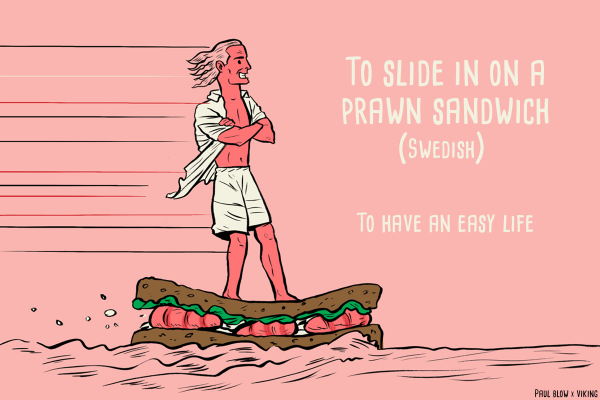
Original idiom (Swedish): Glida in på en räckmacka
Literal translation: To slide in on a prawn sandwich
Meaning: To have an easy life
Example: To work on an easy project in contrast to other colleagues who do lots of overtime.
“To tie a bear to someone” – German
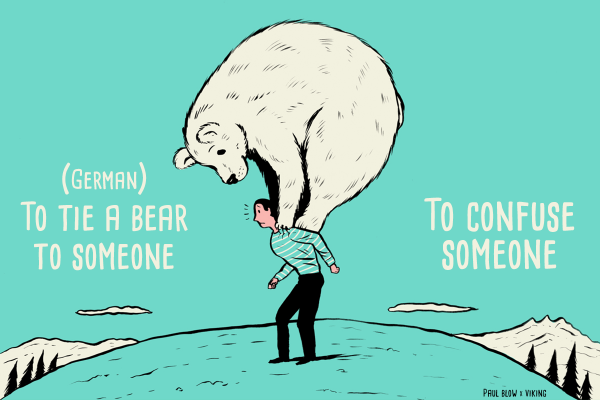
Original idiom (German): Jemandem einen Bären aufbinden
Literal translation: To tie a bear to someone
Meaning: To confuse someone
Example: When a colleague tells incredible stories that are difficult to follow.
My cheeks are falling off! – Japanese
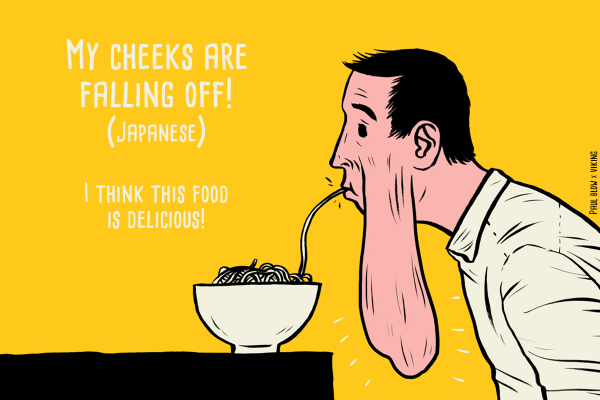
Original idiom (Japanese): ほっぺたが落ちる
Literal translation: My cheeks are falling off!
Meaning: I think this food is delicious!
Example: Praise for a particularly tasty lunch.
As cold as a cucumber – English
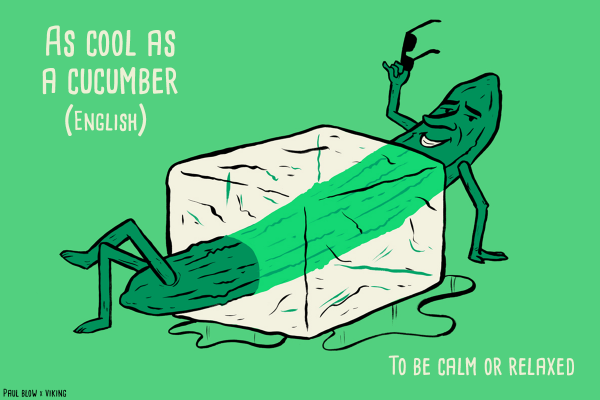
Original idiom (English): As cool as a cucumber
Literal translation: As cold as a cucumber
Meaning: To be calm or relaxed
Example: To describe that someone stayed calm during a difficult job interview.
To have hair on your teeth – Dutch

Original idiom (Dutch): hair op per tanden hebbe
Literal translation: To have hair on your teeth
Meaning: To be self-assertive
Example: An individual who has stronger arguments during a discussion with a colleague and reached the desired end goal.
Not all donuts come with a hole – Italian
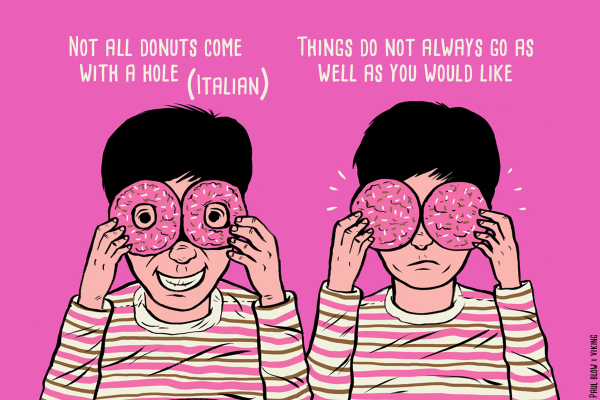
Original idiom (Italian): Non tutte le ciambelle escono col buco
Literal translation: Not all donuts come with a hole
Meaning: Things do not always go as well as you would like
Example: If a project takes an unexpected, negative turn.
“Mustard after lunch” – Polish
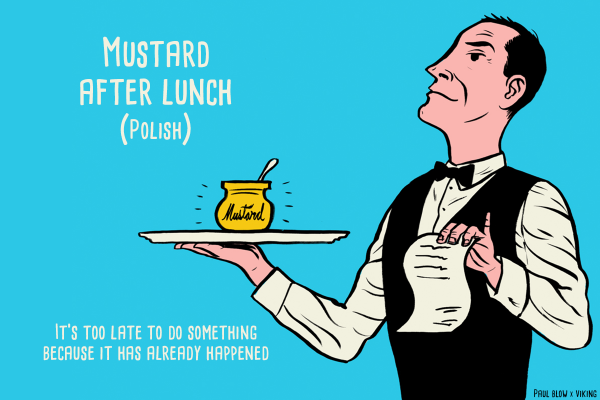
Original idiom (Polish): Musztarda po obiedzie
Literal translation: Mustard after lunch
Meaning: It’s too late to do something because it has already happened
Example: Not dwelling on the things you could have done differently after a failed campaign.
Break a fast with an onion – Arabic
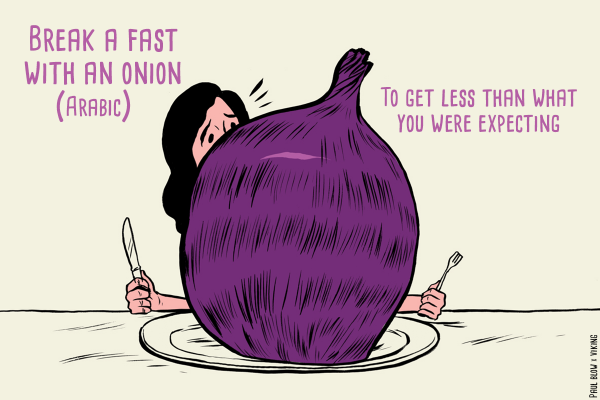
Original idiom (Arabic): أصوم وأفطر على بصلة
Literal translation: Break a fast with an onion
Meaning: To get less than what you were expecting
Example: To receive no or poor feedback from the customer at the end of a very successful and labour intensive campaign.
“The raisin at the end of the hotdog” – Icelandic
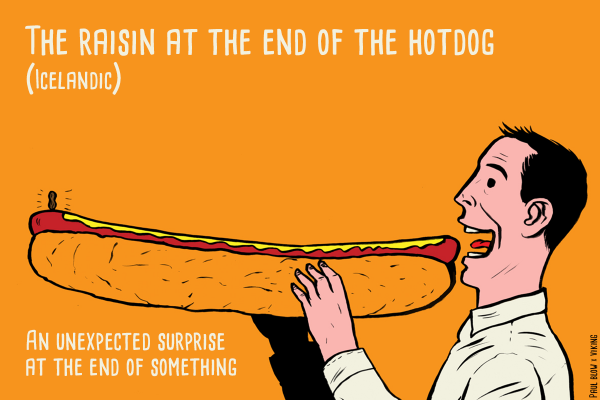
Original idiom (Icelandic): He Það pylsuendanum rúsínan í
Literal translation: The raisin at the end of the hotdog
Meaning: An unexpected surprise at the end of something
Example: When you are unexpectedly promoted at the end of a salary review meeting.
“To swallow some camels” – Norwegian
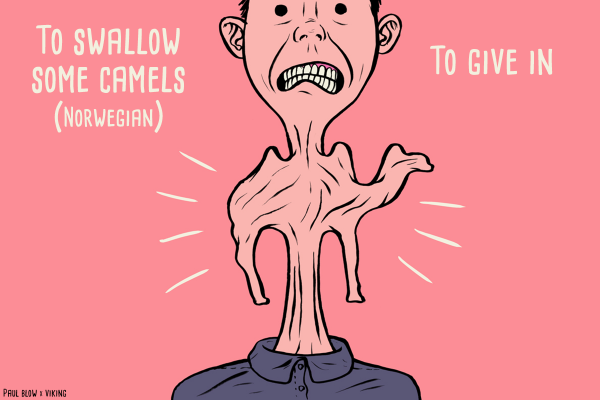
Original idiom (Norwegian): Å svelge noen kameler
Literal translation: To swallow some camels
Meaning: To give in
Example: To leave your point of view during an argument and admit the opponent is right.
“When chickens would have teeth!” – French
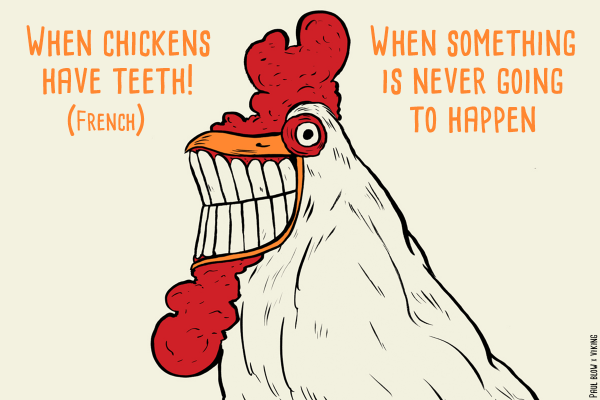
Original idiom (French): Quand les poules auront des dents
Literal translation: When chickens would have teeth!
Meaning: When something is never going to happen
Example: To voice disbelief that a self-opinionated colleague will ever admit that they are wrong.
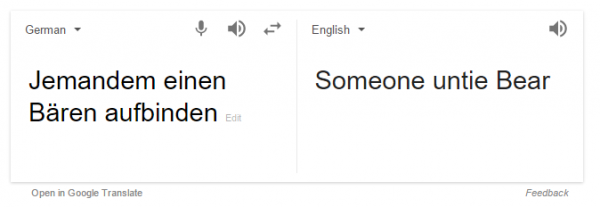
These visualisations give a nice insight into the workings of other languages and cultures. And they show once again how essential it is to employ native speakers with good language skills and cultural knowledge and not to trust machine translation programs such as Google Translate blindly.
At the end of the day, idioms are just proof that people don’t leave their culture at the office door — and that’s a good thing. Take a minute to ask a colleague what their favourite expression actually means, and you’ll probably learn more about them than you would in a whole meeting.
So, what’s the one your team can’t stop saying? Drop it in the comments — we’re curious what we’ve been missing.