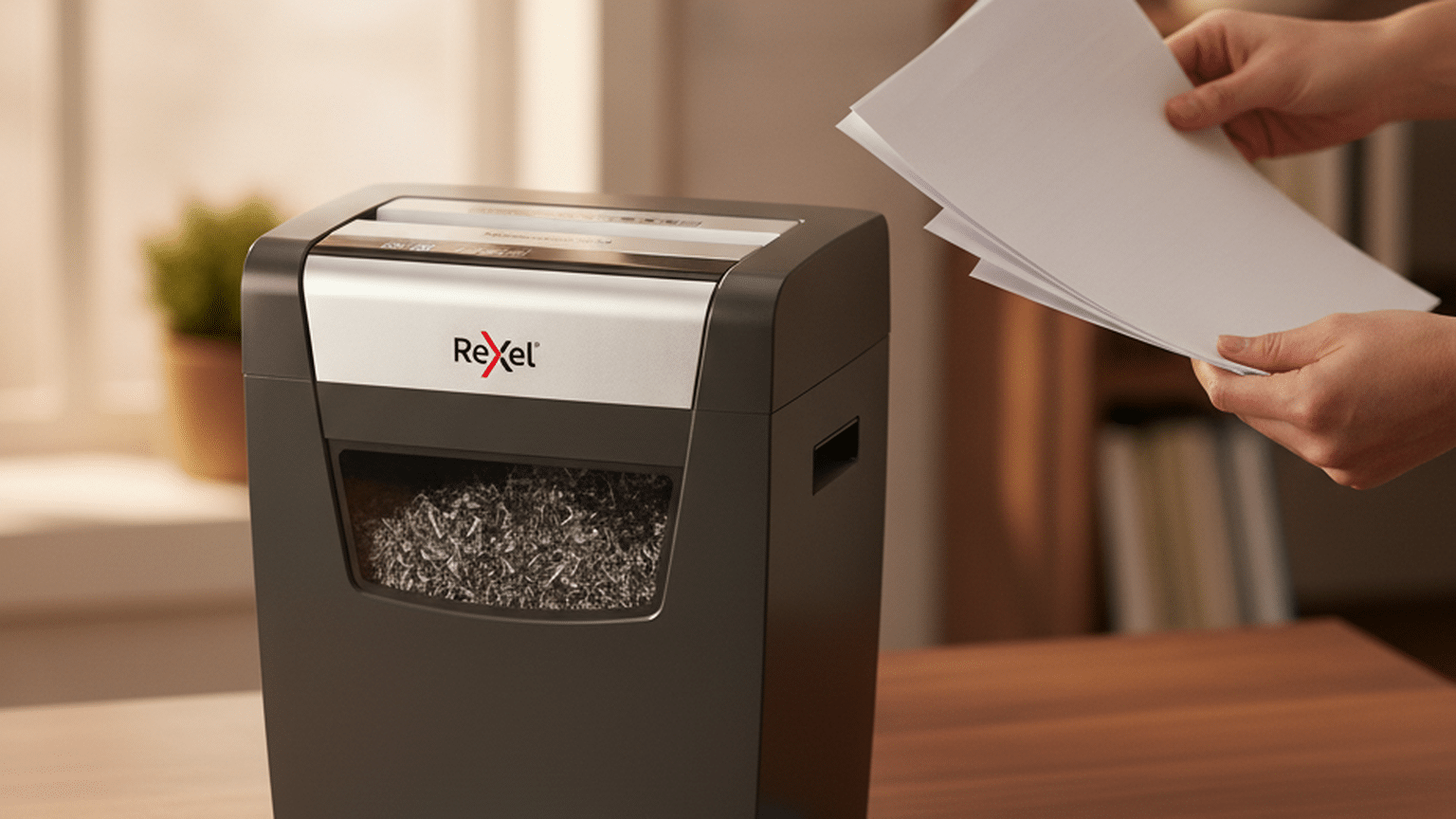

As the year draws to a close, small business owners and office managers face the crucial task of conducting a year-end document audit. This process not only ensures compliance with legal requirements but also enhances operational efficiency by streamlining document management. Knowing what to keep, archive, or destroy can prevent clutter, reduce storage costs, and protect sensitive information. This guide will walk you through the essential steps of a successful document audit, helping you make informed decisions about your business records.
Why Conduct a Year-End Document Audit?
Performing a year-end document audit offers several benefits, including improved organization, enhanced compliance, and reduced risk of data breaches. By reviewing your documents, you can identify which records are essential to keep for legal and operational purposes, determine what can be safely archived for future reference, and decide what should be securely destroyed to protect sensitive information. Utilizing document management tools can further streamline this process.
Key Documents to Consider in Your Audit
- Tax records and financial statements
- Contracts and agreements
- Employee records
- Client and vendor information
- Insurance policies
- Legal documents
- Project files
- Internal reports and memos
Criteria for Keeping Documents
When deciding which documents to keep, consider their legal and operational importance. Documents such as tax records, financial statements, and contracts are often required by law to be retained for a specific period. Additionally, any records that are crucial for ongoing business operations, such as active contracts and current employee records, should be kept accessible. For more information, refer to the Document Retention Guidelines. It’s essential to regularly review these documents to ensure they are up-to-date and complete.
Keeping essential documents organized and secure is vital. Implement a system where these records can be easily retrieved when needed. Consider using digital storage solutions to minimize physical clutter while ensuring data security. Regular audits will help maintain the integrity and accuracy of these records, supporting both compliance and business continuity.


Viking Shredder 12 Sheets Cross Cut Security Level P-3 25 L OS1201D

Viking Shredder 18 Sheets Cross Cut Security Level P-4 28 L OS1801CI

Viking Auto Feed Shredder 120 Sheets Micro Cut Security Level P-4 23 L C233-B

Viking Shredder 10 Sheets Cross Cut Security Level P-4 10 L OS1006C

Viking Shredder 9 Sheets Micro Cut Security Level P-5 20 L OS901Mi
When to Archive or Destroy Documents
Archiving is suitable for documents that are not needed for daily operations but may be required for future reference. This includes old client files, previous project documentation, and past employee records. Archiving can be done physically or digitally, but ensure that archived files are well-organized and labeled for easy retrieval. Regularly review your archived documents to determine if they still hold value or can be destroyed.
Destroying documents is a critical step in protecting sensitive information. Documents that are no longer needed and contain confidential data, such as outdated financial reports or expired contracts, should be securely shredded or permanently deleted. Ensure that your document destruction process complies with data protection regulations. By carefully managing document destruction, you reduce the risk of data breaches and maintain the privacy of your business and clients.
Comparison Table of Document Management Actions
| Action | Criteria | Examples |
|---|---|---|
| Keep | Legal, operational necessity | Tax records, contracts |
| Archive | Potential future reference | Old client files, past project documentation |
| Destroy | No longer needed, sensitive | Outdated financial reports, expired contracts |
Final Thoughts on Document Management
Conducting a year-end document audit is a strategic move for any small business or office manager. It not only ensures compliance and enhances operational efficiency but also protects sensitive information from potential breaches. By understanding what to keep, archive, or destroy, you can maintain a streamlined and secure document management system.
Regular audits and a well-organized approach to document management will provide long-term benefits, reducing clutter and storage costs while supporting the overall health of your business operations. Start your audit today to prepare for a more organized and efficient new year.
Frequently Asked Questions
How long should I keep tax records?
Generally, tax records should be kept for at least seven years. This period covers the time frame during which the IRS may audit your returns or if you need to amend a previous return. However, specific requirements may vary based on your business type and location, so it’s advisable to consult with a tax professional for tailored guidance.
What is the best way to archive documents?
Archiving can be done either physically or digitally. For physical archiving, ensure documents are stored in a secure, dry place, organized by category and date. For digital archiving, use reliable software that offers secure access and easy retrieval. Regularly back up your digital archives to prevent data loss.
What documents should be destroyed immediately?
Documents that contain sensitive information and are no longer needed, such as outdated financial reports, expired contracts, and personal data of former employees, should be destroyed immediately. Use secure methods like shredding for physical documents and permanent deletion for digital files to ensure data protection.
How often should I conduct a document audit?
Conducting a document audit annually is recommended to keep your records organized and compliant. However, if your business handles a large volume of documents or sensitive data, more frequent audits may be necessary. Regular audits help identify outdated or unnecessary documents, ensuring efficient management.
What tools can help in managing documents?
There are several tools available to assist with document management, including document management software like Microsoft SharePoint, Google Workspace, and dedicated solutions like DocuWare. These tools offer features such as secure storage, easy retrieval, and collaboration capabilities, enhancing overall document management efficiency.